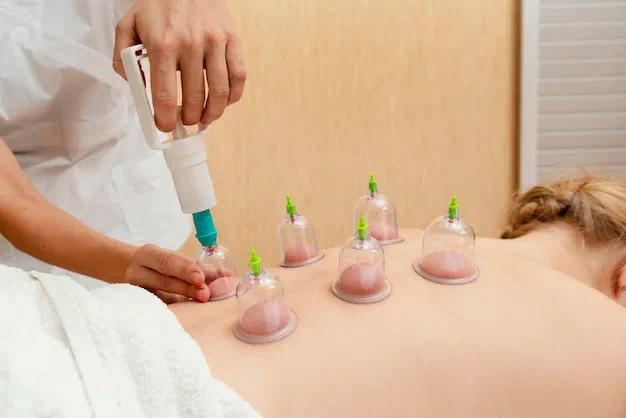
Cupping Therapy in Bozeman: Clinical Myofascial Decompression That Sticks
Stubborn shoulder tension, a tight IT band, post-game soreness that lingers for days, or chronic neck and low-back tightness — these often come down to tissue that’s stiff and no longer moving well. Therapeutic cupping at Root Therapy and Wellness in Bozeman uses gentle suction to lift those tight layers and help them move again, reaching tension that hands-on work alone sometimes can’t.
Our PTs use cupping as part of a complete plan — combined with manual therapy and corrective exercise — so the relief carries over instead of fading by the next day.
What Cupping Actually Does
Most hands-on work presses in. Cupping does the opposite — gentle suction lifts the tissue. People often notice:
- Looser, better-moving tissue over areas that had gotten stiff.
- Relief in chronically tight regions that resist stretching and foam rolling.
- Softening of stubborn knots in guarded muscle.
- Improved movement around post-surgical scar tissue.
- A calming effect that helps tight, guarded muscles settle.
How We Use Cupping Clinically
Cupping is one tool in your visit, used based on what the assessment shows:
- Static decompression — cups left in place for several minutes over a tight area.
- Dynamic cupping — cups applied during active movement to help stiff areas move better.
- Gliding cupping — cups moved across a muscle to cover broader regions of tension.
- Paired with movement — followed right away by corrective exercise so the new range gets used.
Conditions Cupping Helps Most
- Chronic neck, upper-back, and shoulder tension — desk workers, drivers, climbers.
- IT band tightness in runners and cyclists.
- Quad, hamstring, and calf tightness in skiers and trail runners.
- Post-surgical scar tissue — helping the area around a healed incision move better.
- Athletic recovery — easing post-event soreness and tightness.
What to Expect
Your therapist checks the area, applies the cups with the suction adjusted to your tolerance, and combines the work with manual therapy and corrective exercise. Sessions feel intense but not painful. Expect round discoloration that fades in a few days to about a week — this is normal.
Why Patients Choose Root Therapy for Cupping
- Licensed PTs, PTAs, and OTs — not unregulated providers.
- Cupping integrated into a clinical plan — not delivered in isolation.
- Full 1-on-1 visits.
- Most insurance accepted — billed as physical therapy.
- No referral needed for most plans in Montana.
Get Started
If a stubborn region of tension has been resisting massage, foam rolling, and stretching, cupping may be the missing piece. Request an appointment to schedule your evaluation.
Core Techniques We Use
Static Myofascial Decompression
Soft cups create gentle suction to lift the tissue over a tight area and help it relax.
Dynamic / Moving Cupping
Cups applied during active movement to help stiff areas move more freely.
Manual Therapy Integration
Cupping combined with hands-on soft-tissue work, IASTM, and joint mobilization.
Corrective Exercise
Targeted strengthening and mobility work to address what's driving the tension underneath.
Who Benefits from This Service?
Why Choose Root Therapy and Wellness?
Clinical, Not Cosmetic
Our cupping is performed by licensed PTs, PTAs, and OTs as part of a treatment plan — targeted to what's actually tight and restricted.
Integrated Care
Cupping is never used alone. It's combined with manual therapy and corrective exercise so the relief lasts.
Full 1-on-1 Sessions
Your therapist applies cupping strategically as part of a complete hands-on session.
Movement-Based Techniques
We use cupping during movement — not just static placement — to help stiff areas move better.
Knowledgeable PT's and very helpful in planning a program to get my balance problems resolved. I definitely recommend them.— G.H. Google review · April 2026
Frequently Asked Questions
What is cupping therapy in physical therapy?
Does cupping hurt?
Will cupping leave marks?
How is your cupping different from what I see in spas?
How is cupping different from IASTM?
How often should I get cupping?
Is cupping covered by insurance?
Do I need a referral?
Conditions We Treat with This Service
Last updated