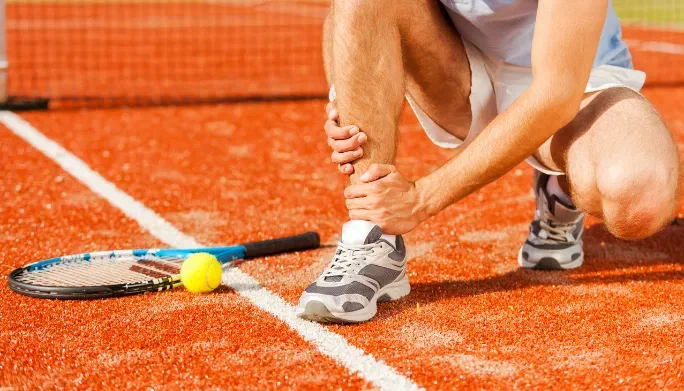
What Our Patients Experience

↓ Pain

Less pain and swelling over the first weeks of structured care

↑ Strength

Restored strength and steadiness in the injured area

↑ Activity

A steady return to hiking, skiing, pickleball, and the activities you love

↓ Re-injury

A lower chance of the same injury coming back, with proper strengthening

Get Back to What You Love

Hands-on rehab and gradual strengthening are what get active people back — and back faster than waiting it out ever does. Whether you're a weekend warrior or just want to keep up with the grandkids, the path forward starts with a clear plan.

Pain, swelling, or instability after a specific fall or twist A slow-building ache that grows with activity or mileage Feeling like you've lost strength, ease, or confidence since the injury Trouble keeping up with the activities you enjoy Holding back or guarding when you try to get active again The same spot getting injured again and again

What's Behind Your Injury

Most active-life injuries trace to either a sudden event or doing too much too soon. Both have specific contributors you can change.

A Sudden Injury

Falls, twists, and sudden direction changes strain ligaments, tendons, and muscles — a ski fall, a rolled ankle, a strained shoulder.

Too Much, Too Soon

Big jumps in activity, not enough recovery, and overdoing it build up into overuse aches — the source of most nagging injuries.

Strength & Movement Gaps

Side-to-side weakness and movement habits create compensations that raise your risk of injury.

An Old Injury That Never Fully Healed

A past injury you never fully rehabbed often becomes the source of a new one down the road.

Sports injuries aren't just for competitive athletes — they're the sprains, strains, and overuse aches that active people pick up skiing, hiking, running, playing pickleball, gardening, or keeping up with the kids. They range from a sudden twist or fall to a slow-building ache from doing too much too soon, and most respond well to hands-on care and gradual strengthening.

Injury Care for Active People in Bozeman

A “sports” injury isn’t just for competitive athletes. It’s the rolled ankle on the trail, the strained shoulder from a ski fall, the aching knee after ramping up your mileage, or the sore elbow from a big pickleball weekend. The good news is that active-life injuries respond really well to hands-on care and gradual strengthening — and treating them beats waiting them out.

At Root Therapy and Wellness in Bozeman, we help active, everyday people get back to what they love — in full 1-on-1 sessions, with hands-on care every visit. We’ll be honest about our lane: we’re here for the weekend warriors, the hikers and skiers, the pickleball crowd, and the folks who just want to keep up with their kids and grandkids. If you’re a high-level competitive athlete who needs specialized sport-science programming, other clinics focus on exactly that — and we’ll happily point you toward them.

The Injuries We See

  • Ski and snowboard injuries — knee, shoulder, wrist, and thumb strains and sprains.
  • Hiking and trail spills — ankle sprains, knee tweaks, and falls.
  • Running aches — runner’s knee, IT band, shin splints, and heel pain.
  • Pickleball and racquet sports — elbow, shoulder, and lower-leg strains.
  • Weekend projects and yard work — low back, shoulder, and knee flare-ups.
  • Old injuries that never fully healed and keep nagging.

What to Expect at Your First Visit

  1. Comprehensive evaluation (60 minutes) — your history, how the injury happened, the activities you want back, and a full exam of the injured area.
  2. Diagnosis and plan — a clear read on the injury, what’s contributing, and your path back.
  3. Hands-on treatment that same visit — manual therapy and soft-tissue work, with taping or bracing if it helps.
  4. Your first exercises — a strengthening program dosed to what you can handle now.
  5. Re-assessment every few visits, building you back toward your activities.

Take the First Step

An injury treated well becomes a one-time setback. Request an appointment today — most patients are seen within the same week.

Our Treatment Approach

  • Hands-On Manual Therapy — Joint and soft-tissue work to calm pain and restore movement.
  • Progressive Strengthening — Gradually rebuilding strength and load tolerance so the injury heals and holds up.
  • Movement & Form Check — Spotting the strength gaps and movement habits that led to the injury.
  • Gradual Return to Activity — A steady, guided build back to the activities you love — hiking, pickleball, skiing, keeping up with the kids.
  • Staying-Active Coaching — Practical tips to keep doing what you love without flaring the injury.

How Root Is Different

Not all therapy is created equal. Here's why our patients get better results with Sports Injuries.

Conventional PTRoot's Approach Root Therapy
Session ModelShared between an aide and the therapist; 15–20 min of direct PT timeA full 1-on-1 session with your therapist
ApproachGeneric strengtheningHands-on care plus strengthening matched to the activities you want back
TechniquesStandard exercise protocolsManual therapy, strengthening, and movement retraining
Return to ActivityTime-based ("come back in 6 weeks")A gradual return, guided by how your body is handling load — not just the calendar
FocusPain reductionGetting back to what you love, with a lower chance of re-injury

Hands-On Every Visit

Manual therapy and skilled coaching every session — not just exercises.

Built Around Your Life

Skiing, hiking, pickleball, chasing grandkids — your rehab matches what you actually want to get back to.

Return When You're Ready

We build you back up gradually, guided by how you're moving — not by the calendar.

5.0 out of 5
Root therapy helps identify full body health and concerns after multiple surgeries. Very helpful with continued therapy after surgeons therapy focused on one part of the body. I enjoy the education and therapist and staff. Thank you
— R.W. Google review · September 2025
5.0 out of 5
Kezia has lowered my pain level tremendously. I have chronic pain, but always feel better when I leave her office. I highly recommend her fabulous team!
— W.H. Google review · June 2025
5.0 out of 5
Everyone is great! I much prefer Roots to the typical physical therapy in a big open room. All of the folks I have worked with have been great!
— N.L. Google review · December 2025

Frequently Asked Questions

Do I have to be an athlete for this to help?
Not at all. Most of the people we help are active, everyday folks — weekend skiers, hikers, runners, pickleball players, and people who just want to keep up with their kids or grandkids. If an injury is keeping you from what you love, we can help.
Are you a sports-rehab clinic for competitive athletes?
We’re honest about our lane — we help active people get back to the activities they love. If you’re a high-level competitive athlete who needs specialized return-to-sport testing and sport-science programming, other clinics focus on exactly that, and we’re happy to point you their way. For the rest of us who just want to move well and stay active, we’re a great fit.
Should I come before or after surgery?
Both, when possible. Getting stronger before surgery (“prehab”) measurably improves recovery, and rehab afterward makes sure you get all the way back. We coordinate with your surgeon throughout. For many injuries that don’t need surgery, structured PT resolves the issue without one.
Can you help me avoid getting hurt again?
Yes. We look for the strength gaps and movement habits that raise your risk, then build a plan to shore them up. Rebuilding real strength — not just calming the pain — is what keeps injuries from coming back.
I had an injury years ago and never fully recovered. Is it too late?
Almost certainly not. Old injuries that never fully healed are a common source of ongoing pain, weakness, and re-injury. Structured rehab that addresses what’s still weak — even years later — usually makes a real difference.
How long does recovery take?
It depends on the injury. A mild sprain or strain often settles in a few weeks; a stubborn overuse injury takes a couple of months of consistent strengthening; bigger injuries take longer. We set honest expectations and track your progress at every step.
What about overuse injuries — shin splints, tendon pain, runner's knee?
Overuse injuries respond really well to structured PT — gradual strengthening, hands-on care, and sorting out the training and movement habits behind them. Most settle fully when treated correctly. Rest alone often isn’t enough, because it doesn’t rebuild the tissue’s tolerance.
Do I need a referral for PT in Montana?
No — Montana is a direct-access state, so you can schedule PT without a referral. Some insurance plans require one for coverage; we verify at your benefits check.

Last updated

Sidelined by an injury?

Hands-on rehab in Bozeman for active people — get back to hiking, skiing, pickleball, and keeping up with the kids. No referral needed for most plans.

Most insurance accepted, Medicare welcome · Serving Bozeman, Belgrade, Manhattan, Four Corners & the Gallatin Valley · Mon–Fri 8am–5pm

Prefer we reach out to you?

Leave your details and we’ll get back to you — or call us now at (406) 219-5388.

We’ll only use this to get back to you — see our privacy policy.

Call Now Text Us

Request a callback

Leave your details and we’ll get back to you.

We’ll only use this to get back to you — see our privacy policy.